Treating PTSD
We offer advanced, psychiatrist-led treatments for post-traumatic stress disorder—centred around deep TMS and tailored to the full complexity of your experience.

What is post-traumatic stress disorder (PTSD)?
PTSD is a prolonged mental health response to a traumatic event. It often causes flashbacks, anxiety, and avoidance that disrupt daily life. While commonly associated with veterans, PTSD can affect anyone, following events like accidents, assault, or abuse.
Up to 8% of people experience PTSD in their lifetime. Risk factors include lack of early support, environmental stress, and individual vulnerability.
Relief from PTSD is possible
Some people recover naturally, but many experience lasting effects that impact their relationships, work, and sense of safety. Early, appropriate care can dramatically improve outcomes.
PTSD is a brain-based condition—not a personal weakness—and it responds best to treatment that’s both timely and targeted.

A non-invasive, targeted brain treatment for PTSD
Many people with PTSD try therapy, antidepressants, or EMDR—but still find themselves stuck. These treatments can help, but they don’t always reach the deeper neurological patterns driving symptoms.
At Neurogenesis Clinics, we use deep TMS to go further. By directly targeting the brain circuits affected by trauma, dTMS can offer a breakthrough—especially for those who haven’t experienced lasting relief through other methods.
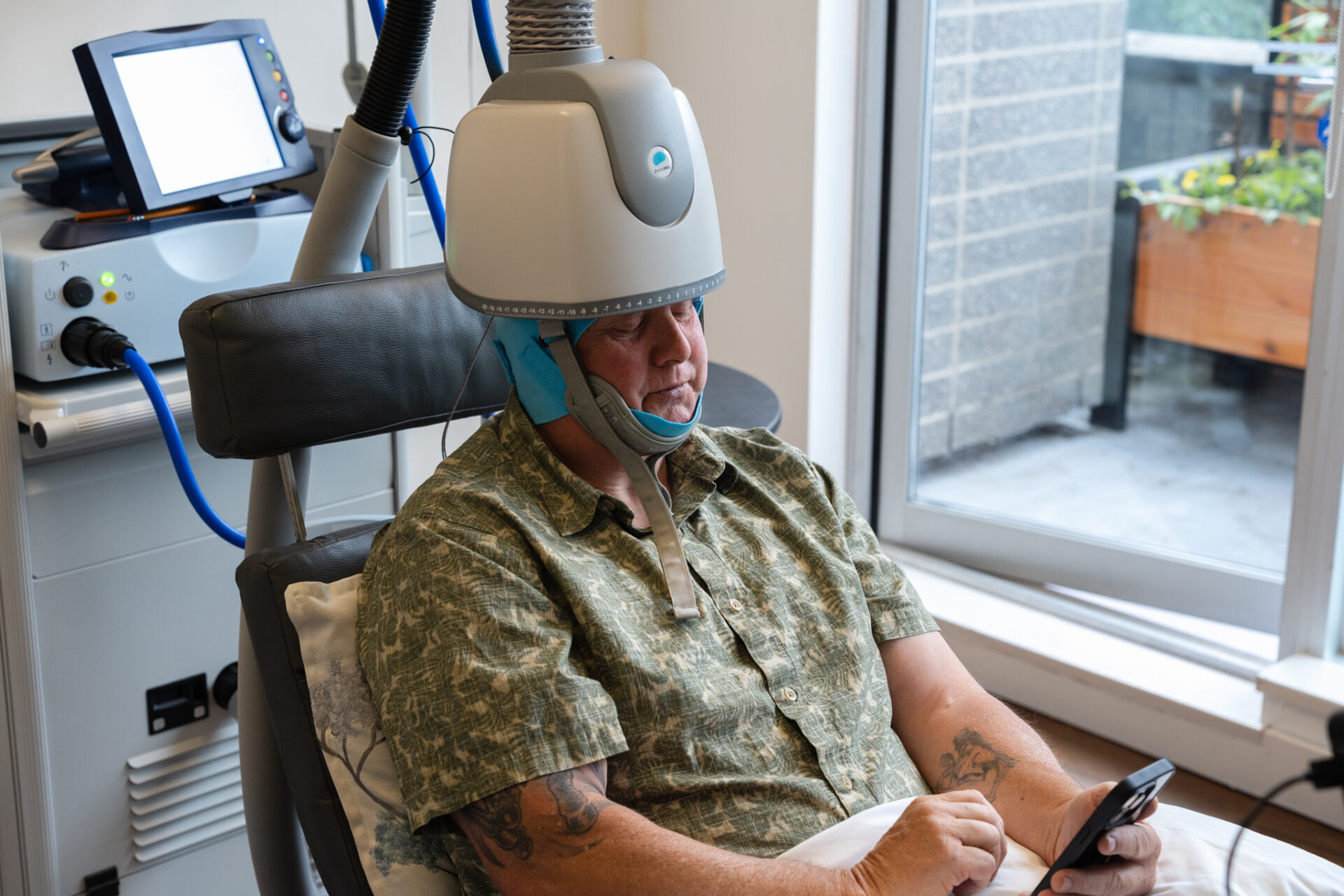
How deep TMS works for PTSD
Deep Transcranial Magnetic Stimulation (dTMS) is a safe, non-invasive therapy that uses magnetic pulses to stimulate brain areas involved in trauma and emotional regulation. It’s outpatient, well tolerated, and requires no anesthesia or recovery time.
At Neurogenesis Clinics, every treatment plan is directed by our psychiatrist and grounded in your clinical history and goals.
30%
Lorem ipsum dolor sit amet consectetur. Nulla metus scelerisque nisi viverra tempus pharetra convallis nisl dui. Ut in fermentum placerat leo.
27%
Lorem ipsum dolor sit amet consectetur. Nulla metus scelerisque nisi viverra tempus pharetra convallis nisl dui. Ut in fermentum placerat leo.
21%
Lorem ipsum dolor sit amet consectetur. Nulla metus scelerisque nisi viverra tempus pharetra convallis nisl dui. Ut in fermentum placerat leo.
94%
Lorem ipsum dolor sit amet consectetur. Nulla metus scelerisque nisi viverra tempus pharetra convallis nisl dui. Ut in fermentum placerat leo.
Take the next step
If you’re living with a treatment-resistant mental health condition, you’re not out of options. Start with a consultation or reach out with your questions.